Source Full Automatic Rice Noodle Maker for Noodle, Dough, and Rice
Compare 30 full automatic rice noodle maker options featuring automatic control systems, stainless steel construction, and customizable models. Buyers can evaluate specifications like voltage, power consumption, and production capacity for noodle, dough, and rice applications; compare the available evidence and request quotations based on your requirements.
Key considerations
Products List


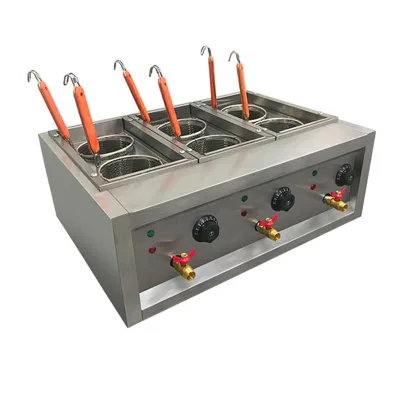


Automatic Noodle Press Machine Maker/Professional Noodle Instant Noodle Maker
$100000.00 - $1000000.00
Moq: 1


Comprehensive Sourcing Guide
Full Automatic Rice Noodle Maker Sourcing Guide
Procuring a full automatic rice noodle maker requires a strategic approach to align machinery capabilities with production volume and quality standards. Buyers must evaluate the degree of automation, control systems, and energy consumption to ensure operational efficiency. The observed market includes models ranging from small-scale units to high-capacity industrial lines, each with distinct technical profiles. Understanding these variations is critical for selecting equipment that matches specific throughput requirements while minimizing labor and utility costs.
This guide provides evidence-based procurement advice for sourcing reliable rice noodle manufacturing equipment. It focuses on verifying technical specifications, ensuring compliance with safety standards, and evaluating commercial terms. By adhering to these guidelines, buyers can mitigate risks associated with equipment failure, non-compliance, and unexpected operational expenses. The following sections detail the key factors to consider during the selection and qualification process for full automatic rice noodle makers.
Product Scope and Observed Listing Signals
The current market for full automatic rice noodle makers exhibits a wide price range, observed between $95 and $2,750,000 USD, reflecting significant differences in capacity, automation level, and brand positioning. Minimum order quantities (MOQ) are typically low, ranging from 1 to 5 units, which facilitates initial procurement for small to medium enterprises. Buyers should note that these figures represent observed listing signals and may vary based on customization requests, shipping terms, and supplier-specific policies.
Product attributes indicate a strong focus on automation and digital integration, with many units featuring automatic control systems and automatic data storage capabilities. Materials are predominantly stainless steel, ensuring durability and hygiene in food processing environments. Some listings highlight specific applications for both dough and noodle production, suggesting versatility in certain models. Buyers must carefully review these attributes to confirm that the machine’s capabilities align with their specific product requirements and production workflows.
Technical Specifications to Verify
Verifying technical specifications is paramount to ensuring the selected machine meets production demands. Key parameters include voltage requirements, which vary between 220V and 380V, necessitating compatibility checks with existing facility infrastructure. Power consumption is a critical cost driver, with some models citing usage rates such as 81kW/h or 350 degrees per ton of noodle output. Buyers should request detailed energy consumption data to calculate long-term operational expenses accurately and avoid unexpected utility bills.
Other essential specifications include water, gas, and air consumption rates, which impact resource efficiency and environmental compliance. For instance, some machines report water usage of 1.3-1.5 tons per ton of rice noodle, while air consumption may range from 1.8-2.3 tons per ton of output. Additionally, machine dimensions and customization options for the control system and spare parts should be confirmed. Ensuring these specifications are clearly defined in the purchase agreement prevents discrepancies between expected and actual performance during commissioning.
Compliance and Safety Documentation
Compliance with international standards is essential for safe and legal operation of food processing machinery. Many suppliers offer certifications such as CE and ISO, which indicate adherence to specific safety and quality management principles. Buyers must verify the validity and scope of these certifications, ensuring they cover the specific machine model and intended market. Documentation should include detailed safety manuals, electrical schematics, and material safety data sheets for all components in contact with food.
Safety features, such as emergency stop buttons, protective guards, and interlock systems, must be clearly documented and tested. The commissioning service, often provided by the supplier’s own staff, should include a comprehensive safety training session for operators. Buyers should also inquire about the machine’s condition, with most listings indicating new equipment, and request proof of factory acceptance tests. Ensuring all safety and compliance documentation is complete before shipment reduces the risk of operational hazards and regulatory penalties.
Cost Drivers and Commercial Terms
Several factors influence the total cost of ownership for a full automatic rice noodle maker, including initial purchase price, shipping, installation, and ongoing maintenance. Packaging types, such as wooden cases or full container loads, affect shipping costs and protection during transit. Buyers should negotiate clear terms for packaging to ensure the machine arrives undamaged, especially for sea freight shipments. Customization options, while beneficial, may increase the initial cost and lead time, so their necessity should be carefully evaluated.
Commercial terms should explicitly address warranty coverage, spare parts availability, and after-sales support. The lifespan of the machine, often cited as at least 20 years, suggests long-term value, but this depends on proper maintenance and usage. Buyers should clarify responsibilities for installation, commissioning, and operator training. Understanding the total cost, including energy and resource consumption, allows for accurate ROI calculations and prevents budget overruns during the operational phase.
Supplier Qualification and Quality Control
Supplier qualification is a critical step in mitigating procurement risks. Buyers should assess the supplier’s manufacturing capabilities, quality control processes, and track record in the food machinery industry. Factories located in regions like Guangzhou and Qingdao, China, are common sources for such equipment. Verifying the supplier’s ability to provide customized solutions and spare parts is essential for long-term operational continuity. Requesting references from existing customers can provide insights into the supplier’s reliability and service quality.
Quality control measures should include factory inspections, pre-shipment inspections, and third-party verification if necessary. Buyers should confirm that the supplier adheres to recognized quality management systems, such as ISO standards. Clear communication regarding production timelines, lead times, and delivery schedules is crucial to avoid project delays. Establishing a robust quality control framework ensures that the delivered machine meets the specified technical and performance requirements, reducing the likelihood of post-installation issues.
Long-Term Procurement Checks
Long-term procurement success depends on establishing strong relationships with suppliers and implementing continuous improvement strategies. Regular maintenance schedules, based on manufacturer recommendations, are vital for extending the machine’s lifespan and maintaining performance. Buyers should ensure access to a reliable supply of spare parts, particularly for critical components like motors and control systems. Building a partnership with the supplier can facilitate timely support and potential upgrades as technology evolves.
Monitoring operational performance metrics, such as energy efficiency and output quality, helps identify areas for improvement. Feedback from operators and maintenance staff should be regularly reviewed to optimize machine usage and address any emerging issues. Buyers should also stay informed about industry trends and technological advancements in rice noodle production. By proactively managing the procurement lifecycle, businesses can maximize the value of their investment and maintain a competitive edge in the market.
FAQs
What is the voltage requirement for the full automatic rice noodle maker?
The machine operates on 380V or 220V depending on the specific model selected. Some units like the KR-MF150 require 380V, while others support 220V. Buyers must verify the voltage specification against their local power supply before installation to ensure safe and efficient operation without needing transformers.
Can the full automatic rice noodle maker be customized for specific needs?
Yes, customization is available for the full automatic rice noodle maker to meet unique production requirements. The product standard is listed as customized, and features like motor spare parts and machine size can be tailored. This flexibility allows manufacturers to adapt the equipment for different dough types or facility layouts effectively.
Which certifications does the full automatic rice noodle maker hold?
The equipment holds CE and ISO certifications, ensuring compliance with international safety and quality standards. Some listings also mention ISOCE certification. These credentials verify that the manufacturing process meets rigorous regulatory requirements, providing buyers with confidence in the machine's reliability and safety for industrial food production environments.
How long is the expected lifespan of the full automatic rice noodle maker?
The machine has a lifespan of at least 20 years when properly maintained. This durability is attributed to its stainless steel construction and automatic control systems. Buyers can expect long-term operational stability, making it a cost-effective investment for continuous noodle production facilities requiring high reliability over many years.
What is the packaging type for shipping the full automatic rice noodle maker?
Packaging is suitable for sea freight, often utilizing wooden cases or full container load methods. This ensures the machine arrives safely without damage during long-distance transport. The robust packaging protects the automatic grade equipment from moisture and impact, guaranteeing it reaches the destination in Guangzhou or Qingdao ready for immediate commissioning.
How much electricity does the full automatic rice noodle maker consume?
Power consumption varies by model, with some units using 81kw/H or 350 degrees per ton of noodle. Specific models may consume between 360 to 380 degrees per ton of rice noodle. Buyers should calculate energy costs based on their specific production volume and the selected model's power source to optimize operational expenses effectively.